When buying a newly constructed house in DHA Karachi, most buyers ask the same questions.
- What is the location?
- How wide is the road?
- What is the asking price?
- Which tiles and sanitary fittings have been used?
- How old is the construction?
But there is one question that is surprisingly easy to overlook: who actually built the house?
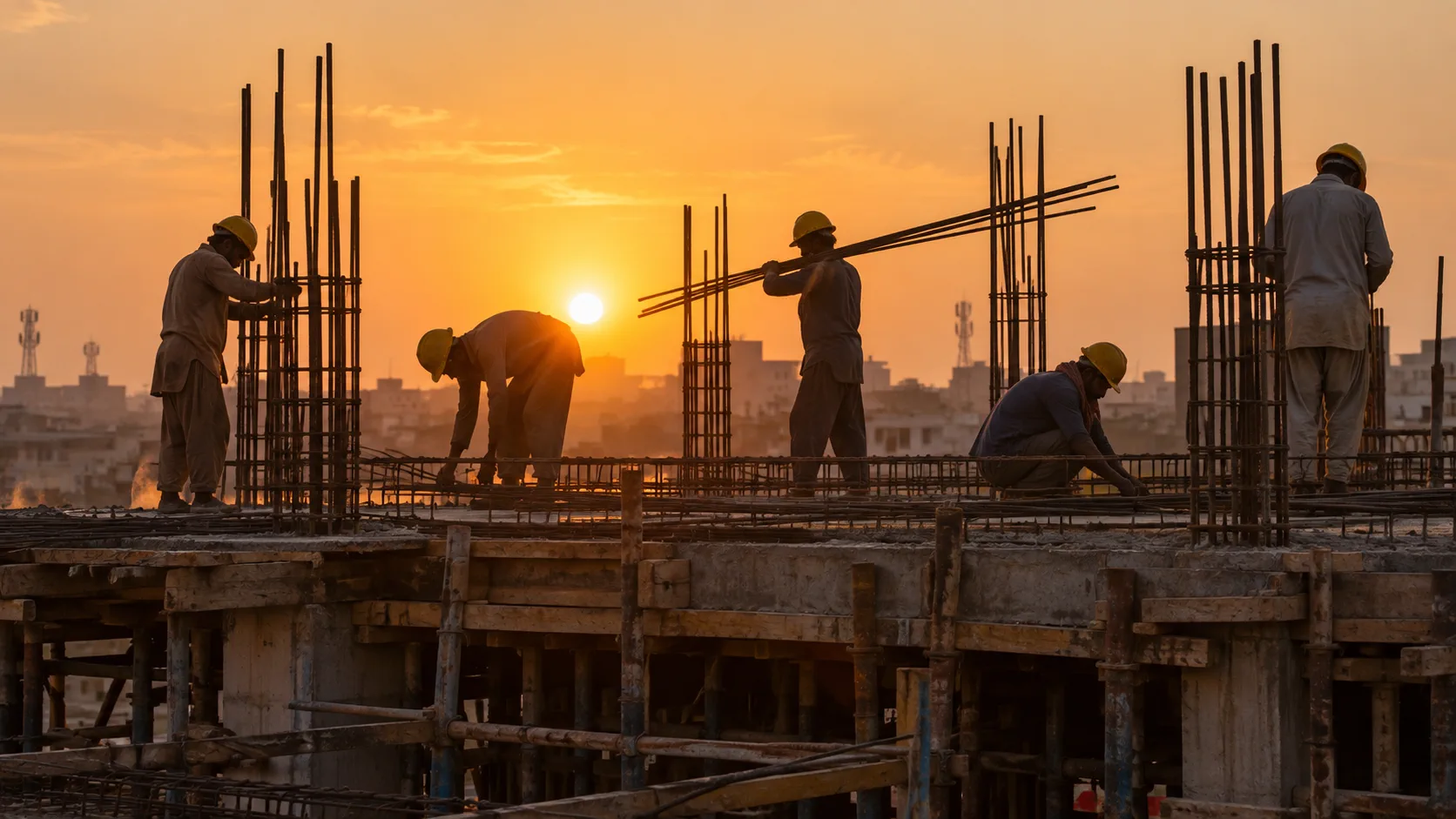
It matters because much of what determines a home’s long-term quality cannot be seen once it’s complete. The marble can be inspected, the kitchen opened, the elevation admired. But what about the structure behind the walls, the waterproofing below the tiles, or the plumbing and electrical systems concealed above the ceilings?
This is where the idea of the branded home becomes interesting.
What exactly is a branded home?
A branded home doesn’t necessarily mean a luxury or expensive house. In DHA’s independent-home market, it simply means a house where the company responsible for construction is clearly identifiable and willing to put its name and reputation behind the finished property.
That distinction matters. Many houses built for resale are effectively anonymous – by the time a buyer visits, the house is complete and presented well, but there is little information about who managed construction or what happened before the finishes went on.
With a recognised builder, the buyer has another reference point: a name to research, previous work to see, and a reputation that extends beyond one particular house.
The most important parts of a house are often the ones you cannot see
Walk into two newly constructed houses and they may initially look very similar. Both can have imported tiles, attractive kitchens, modern lighting and impressive elevations. The difference may be hidden underneath.
- How was the structure executed?
- Was waterproofing properly carried out?
- Were plumbing lines tested before they were concealed?
- Were electrical, air-conditioning and plumbing services properly coordinated?
- Were materials changed during construction?
- Was somebody responsible for quality control throughout the project?
These are difficult questions for a buyer standing inside an already completed house – one reason knowing who built the property can become valuable. You’re not only evaluating the house in front of you. You’re also evaluating the track record behind it.
Why putting a name on a house changes accountability
There is an important difference between constructing a house, selling it and disappearing, and building a house that stays associated with your company’s name.
Reputation creates accountability. If a builder expects future clients to visit its previous projects, every completed house becomes part of its portfolio – a problem in one house can affect how future buyers perceive the builder. That gives established builders a reason to think beyond the immediate sale: their next project partly depends on the performance of the last one.
What happens after the keys are handed over
Accountability does not end at handover – a part of the picture easy to miss when a house is judged only on how it looks the day it’s finished.
A recognised builder should have a proper after-sales department, not just a number that goes unanswered once the final payment clears. In the first weeks, that means practical help settling in and getting shifted. Further out, it means something more important: if a genuine issue surfaces two years later – seepage, a crack, a wiring fault – the same team that built the house is the one sorting it out.
That continuity is difficult for an anonymous, one-off construction to offer, since there’s no ongoing relationship to enforce it against. It’s a fair question for any builder: who do I call if something goes wrong after I’ve moved in, and will it still be answered two years from now?
Buyers can check more than the finished product
If the builder behind a house has an established presence, buyers can look beyond the property they’re considering:
- What other houses has the company built?
- What type and scale of projects does it normally handle?
- Can previous work be visited or reviewed?
- Does the company continue operating after completing a project?
- Does it have an identifiable team and process?
None of this replaces a proper technical inspection. But it gives buyers a layer of information an anonymous construction can’t easily provide.
This is starting to matter in DHA Karachi
As construction costs and property values have increased, buyers have become more conscious of what they are purchasing. And increasingly, certain construction names are being heard repeatedly around DHA.
Next Street is one such name, a builder with residential projects across DHA Karachi delivered under its own name. That relevance isn’t simply branding – it reflects a broader shift toward judging houses not only on the finished property but on the construction company behind it.
The principle is similar to apartment developments: buyers don’t only ask where an apartment is, they ask who the developer is. Independent houses may gradually be moving the same way.
A recognised builder does not mean buyers should stop checking
A builder’s name should never replace due diligence. Even buying from a recognised company, buyers should still inspect the property, check approvals and documentation and, where appropriate, have the house independently assessed.
The difference is that the builder’s identity becomes one additional factor in that due diligence – much like service history when buying a car. The condition and inspection still matter, but knowing the history gives you information appearance alone cannot.
Why a recognised name costs a little more, and why that’s worth it
A house built under a recognised name usually carries a higher price than a comparable independent build – worth saying plainly rather than avoiding.
It makes sense once you consider what that difference pays for. A slightly higher price for a builder who stands behind the structure, waterproofing and materials – and stays accountable after handover – is a fair trade against a lower price for a house where none of that can be verified. Paying a little more for a house you can trust generally beats paying less for one you can’t.
That’s the practical version of the branded home idea: buyers aren’t just paying for four walls and a roof. They’re paying for a name with something to lose if the build wasn’t done properly.
The question DHA buyers may start asking more often
For years, the first question about a house has often been “Where is it?” Then, “How much are they asking?” Perhaps another deserves to become just as normal: “Who built it?”
Because once the paint is finished and the lights are switched on, almost every new house makes a strong first impression. The real question is what lies behind it – and who answers the phone if something needs fixing after that impression has worn off.
When a builder such as Next Street puts its name behind a house, that name gives the buyer something to investigate, compare and hold accountable, before the sale and after it. For DHA Karachi’s resale market, that may eventually become the difference between buying a newly built house and buying one with a recognisable history – and a real team – behind it.
Frequently asked questions
What makes a house in DHA Karachi a “branded” or recognised build?
It is not about luxury finishes. It means the company responsible for construction is clearly identifiable, has a body of previous work that can be checked, and is willing to put its name and reputation behind the finished property rather than disappearing after the sale.
Does a recognised builder’s name mean I’ll pay more for the house?
Usually, yes – a house built under a known name tends to carry a higher price than a comparable independent build. That difference reflects what you’re actually paying for: a builder who remains accountable for the structure and materials, not just the finishes visible on a walkthrough. For most buyers, that’s a fair trade against the risk of paying less for a house nobody stands behind.
What should a buyer expect from a builder after the house is handed over?
A proper builder should have an after-sales department, not just a contact number. That means practical help settling in immediately after handover, and – just as importantly – the same team addressing a genuine issue that surfaces months or years later, rather than a buyer being left to find and pay for a fix themselves.